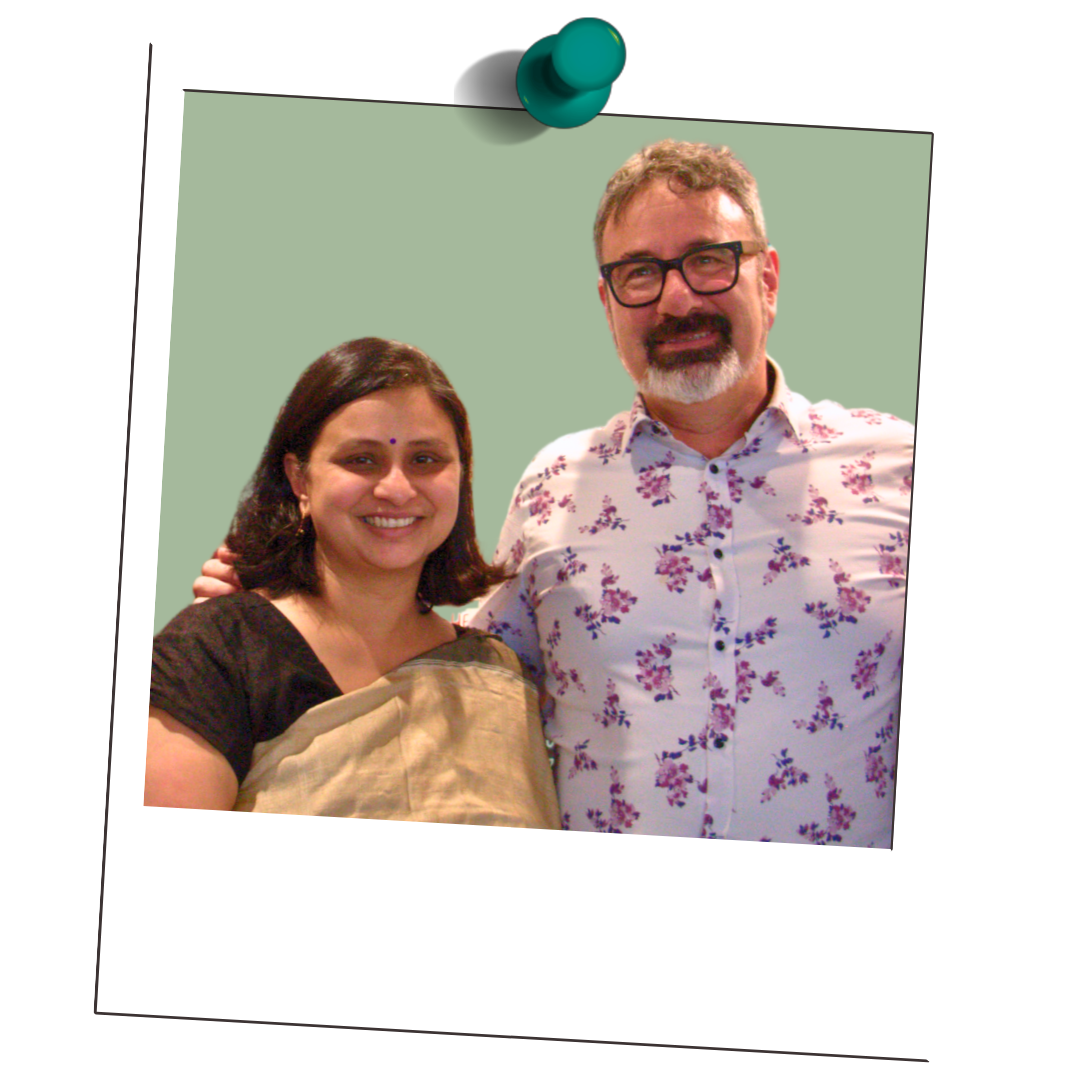
Community Research Co-Chairs Arpita Das and Brendan Stevenson
Tēnā koutou katoa
Ki ngā tini aitua, haere, haere, whakangaro atu rā.
He mihi nui ki ngā iwi o te motu, tēnā koutou.
Ki a tātou e tau nei, ka nui taku mihi.
This has been a year of careful choices. Funding for community organisations remains tight, with one of our larger operating funds confirmed for 12 months rather than the usual 36, multi-year support from another long-standing funder drew to an end, and a number of our applications were unsuccessful. Uncertainty and short funding cycles make it harder to plan, to resource roles, and to sustain relationships. On the positive side, we looked to diversify our funding and applied to new funders. While our small kaimahi team makes us very nimble we still had to make tough decisions about what to deliver and what to pause. Some work we hoped to progress, including the Te Whare Kura bulletin and follow-up to the Code of Practice review, is still to come. We thank our funders and supporters, and the kaimahi who have carried this uncertainty while continuing to deliver amazing work.
Within those limits, we have delivered work we are immensely proud of. In June, the Te Auaha Pito Mata Awards were held at Government House, recognising Tangata Whenua, Ethnic, Pasifika, community researcher, evaluator and strength-based practice categories. Our Tautoko sessions for ethnic, migrant and former refugee researchers, and for queer and takatāpui researchers, remain a distinctive part of what we offer. We launched the Good With/In Games and Queerness in Aotearoa special collections, published a Matike Mai resource page, and held workshops on the Code of Practice with the Centre for Data Ethics and Innovation and on equity and participatory democracy. Our co-governance videos have been well received, and the Living Te Tiriti Action Plan, drafted at our February strategy day, is a commitment we are still working to put into practice. Our relationships with Te Āti Awa, Tāhono Trust, Hui E!, Volunteering NZ and the Community Constellation have continued to develop.
We thank everyone who shares their research, their time and their knowledge with Community Research.
Brendan Stevenson and Arpita Das Co-chairs, Community Research
The year in focus
Holding hope and building stronger foundations
In a year shaped by uncertainty, Community Research celebrated and strengthened the relationships, resources and organisational foundations that help community knowledge remain visible, accessible and influential.
Te Auaha Pito Mata Awards
Celebrating emerging researchers
The work of these emerging researchers uplifts communities, strengthens knowledge and creates positive change.
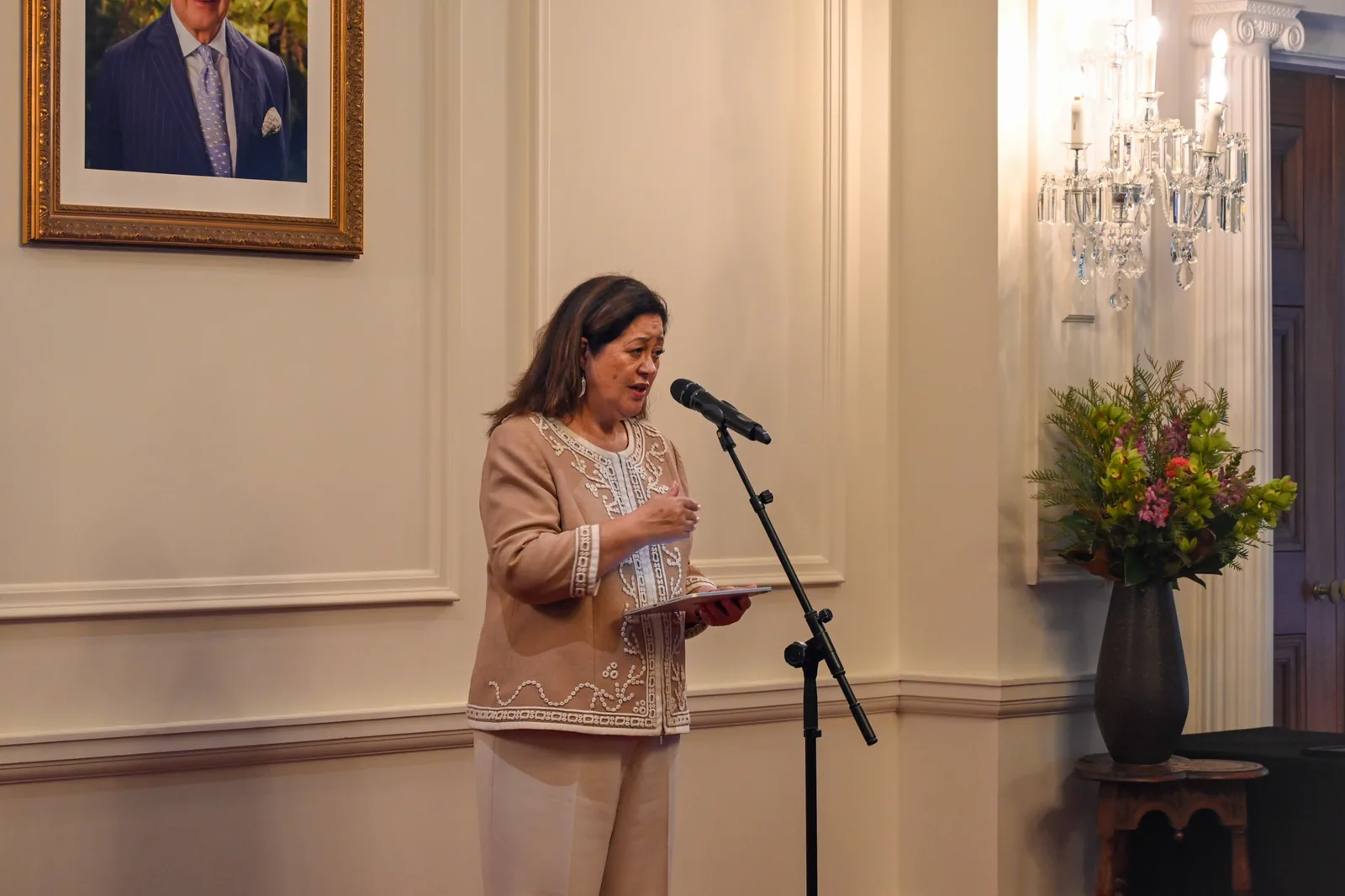
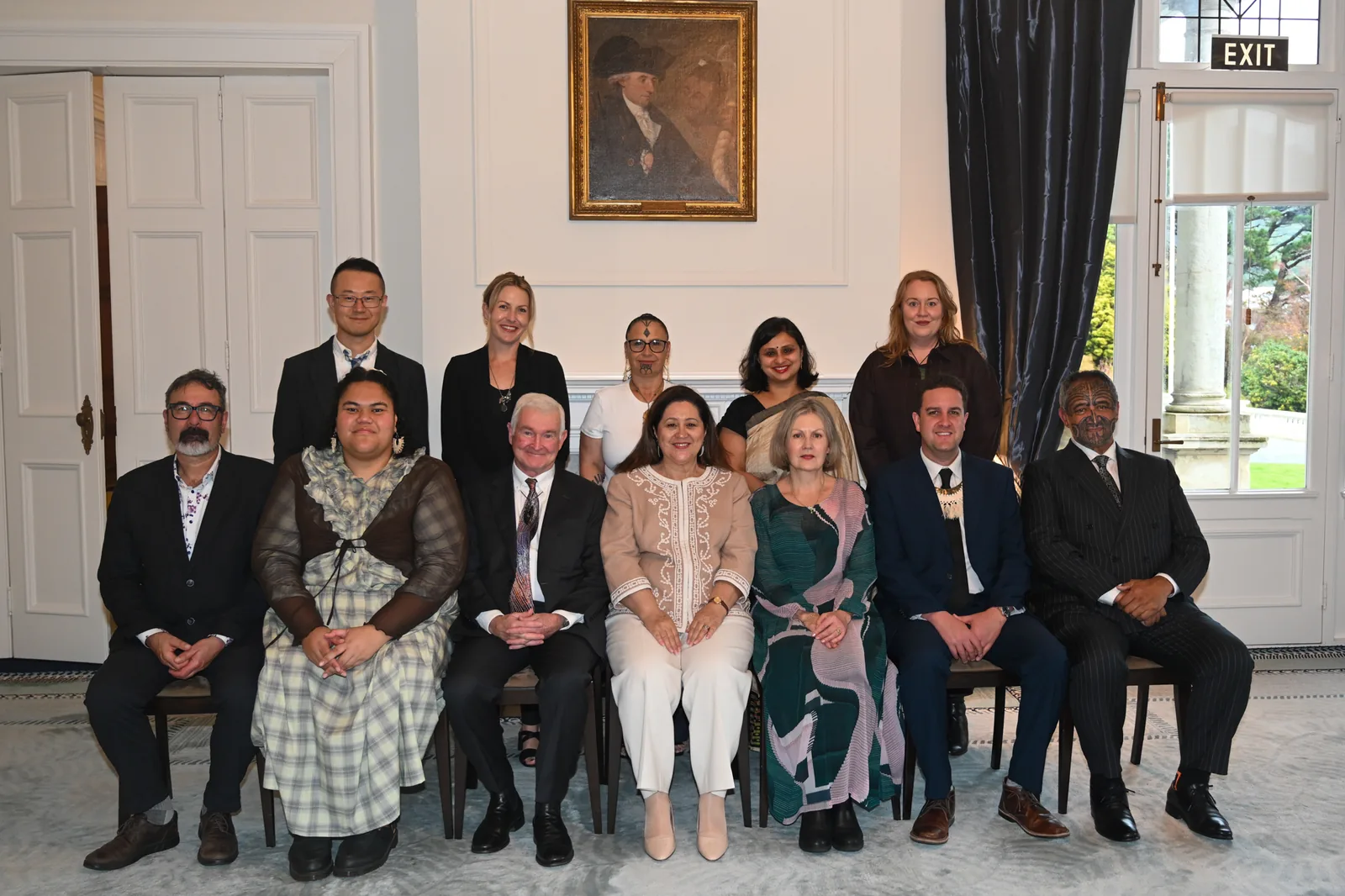
The 2026 awards recognised community researchers in the first eight years of their careers. Award recipients, whānau and supporters gathered at Government House in Wellington on 2 June 2026 to celebrate research grounded in community experience and aspirations. Ngā mihi nui to Dame Cindy Kiro for generously hosting us and for her kind words recognising the importance of community research and lived experience in these challenging times.
Our 2026 Award Winners
Ria Te Uira Holmes - Tangata Whenua Community Researcher Award
Joseph Bruce Tutonga Houghton - Pasifika Community Researcher Award
Taylor Le Cui - Ethnic Community Researcher Award
Corrina Thompson - Community Researcher Award
Atelaite Mapa - Billie Award for Strengths-Based Research
Paula Ormsby - Billie Award for Strengths-Based Research
The Awards brought together researchers, community leaders, funders, sector partners and supporters, creating a valuable space to strengthen relationships, share ideas and affirm the importance of community-led research and knowledge.
We are grateful to our guest judges: Dr Catherine Leonard, Dr Kathie Irwin MNZM, Dr Janet Tupou, Dr Edmond Fehoko, Dr Gauri Nandedkar, Associate Professor Polly Yeung, Sandar Duckworth, Dr Mathea Roorda, Garth Nowland-Forman, Dr Brendan Stevenson and Professor Eleanor Holroyd.
We also extend our thanks to everyone who contributed nominations, supported candidates, attended the Awards and continues to champion community research. The Awards highlight the depth of talent emerging across Aotearoa and the important contribution community research makes to strengthening our communities.
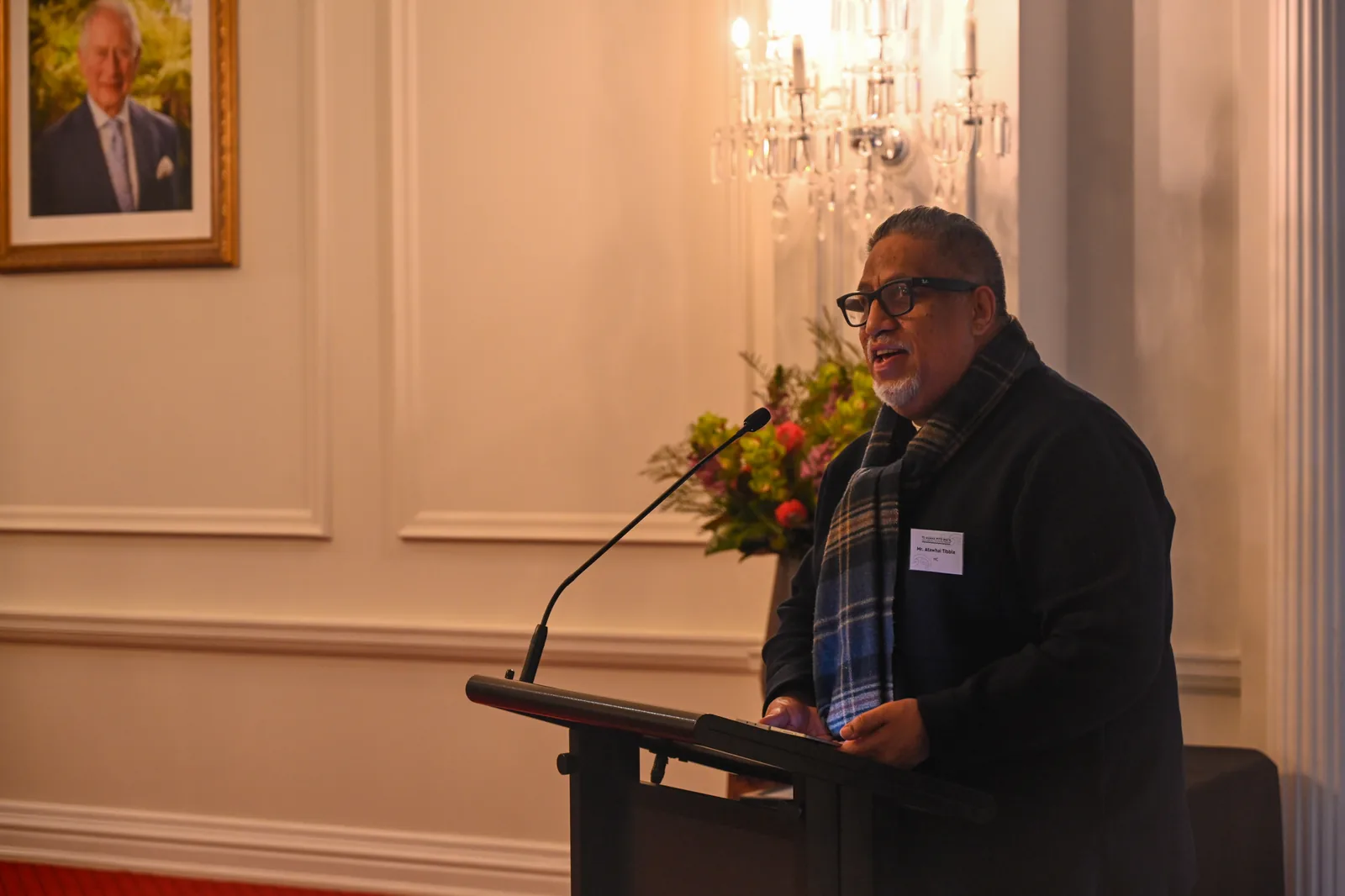
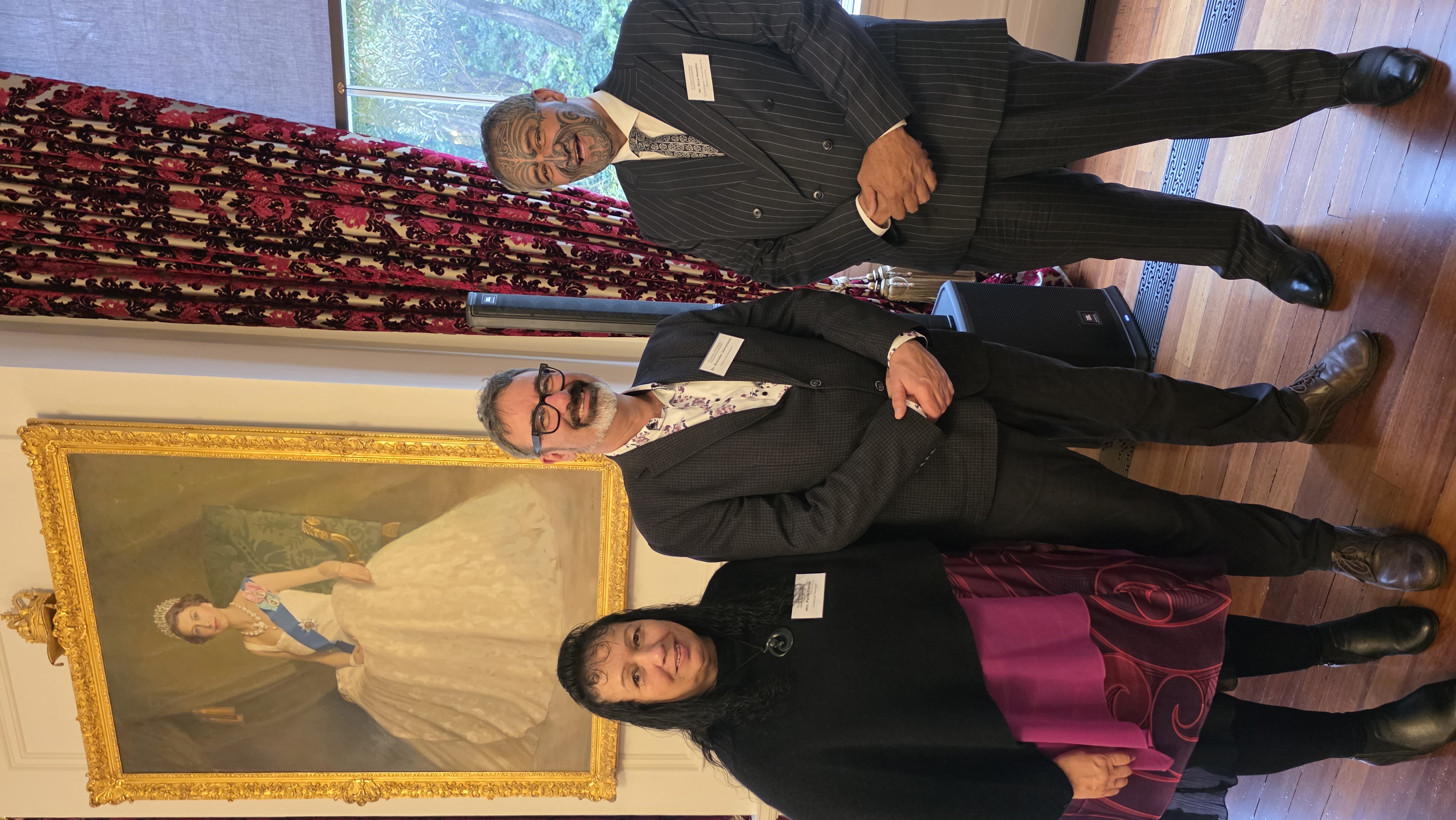
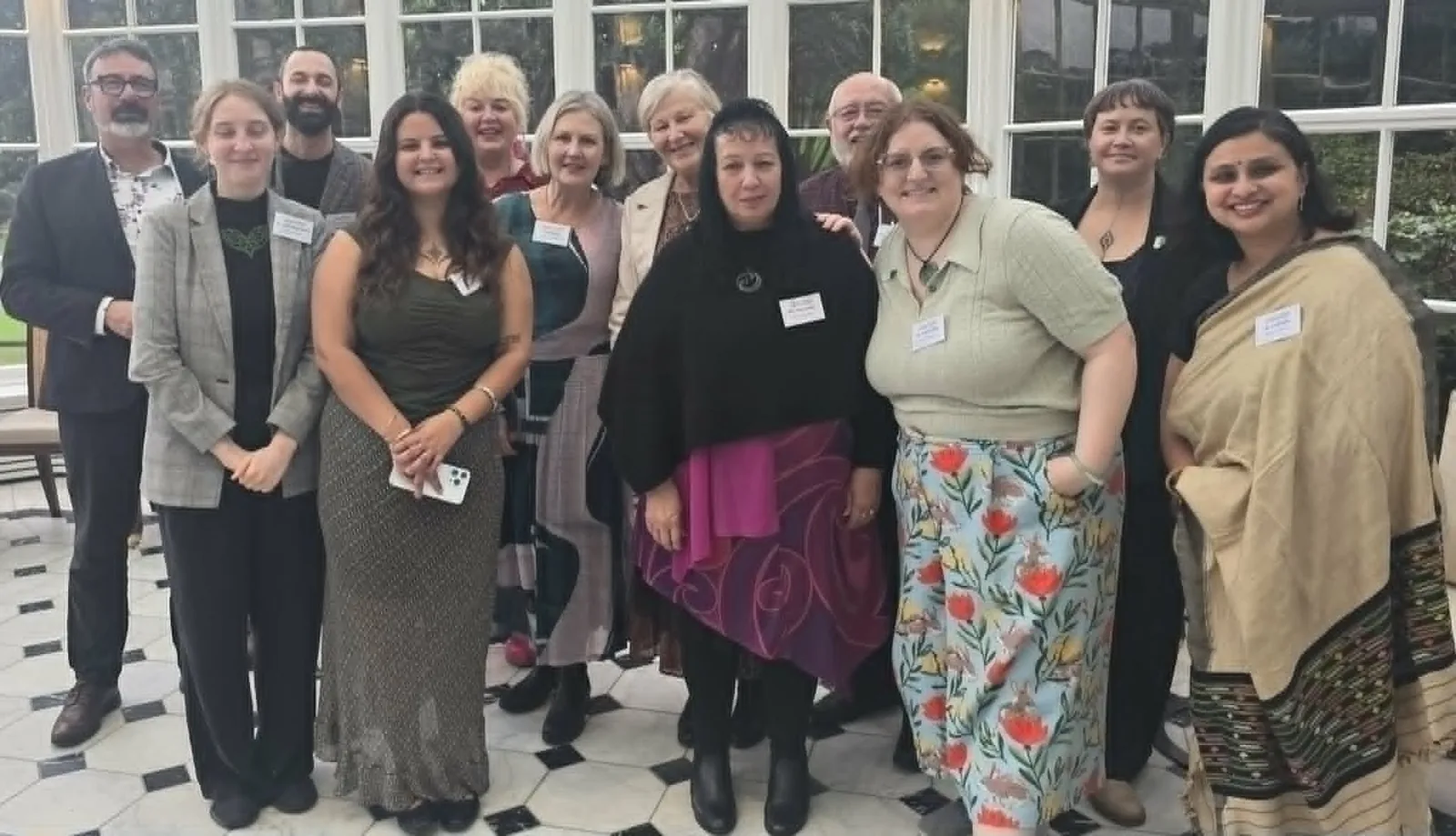
Te Auaha Pito Mata 2026 Emerging Researcher Awards at Government House.Dame Cindy Kiro addresses award recipients, whānau and supporters.Their Excellencies with Award recipients and Community Research officials.Master of Ceremonies Atawhai Tibble addresses the gathering.Kaitiaki Pania Coote and Brendan Stevenson with Kura Moeahu, Kaumātua.Community Research kaimahi and Kaitiaki at the Awards: Brendan, Madi, Samuele, Eve, Jennifer, Lorna, Eleanor, Pania, Garth, Moana, Jo and Arpita.
Key themes from the year
01Living Te Tiriti
Early in 2026, Kaitiaki and kaimahi developed our Living Te Tiriti Action Plan. Our immediate focus is strengthening kāwanatanga and whakawhanaungatanga so Māori leadership, knowledge and authority can shape our mahi from the outset.
02Relationships / whanaungatanga
Relationships across the Community Constellation, Purpose Collective Trust and our wider networks helped us share learning, reduce duplication and contribute to collective sector infrastructure.
03Accountability and learning
We used our Theory of Change and more structured reporting against our six strategic goals to connect activity with the longer-term outcomes we seek.
04Visibility, access and relevance
Across our platforms, resources and events, we helped make community-led research and knowledges more visible, accessible and useful, while strengthening how we understand and report meaningful engagement.
Operations reportRead the full reflection from our Kaiwhakahaere Matua+
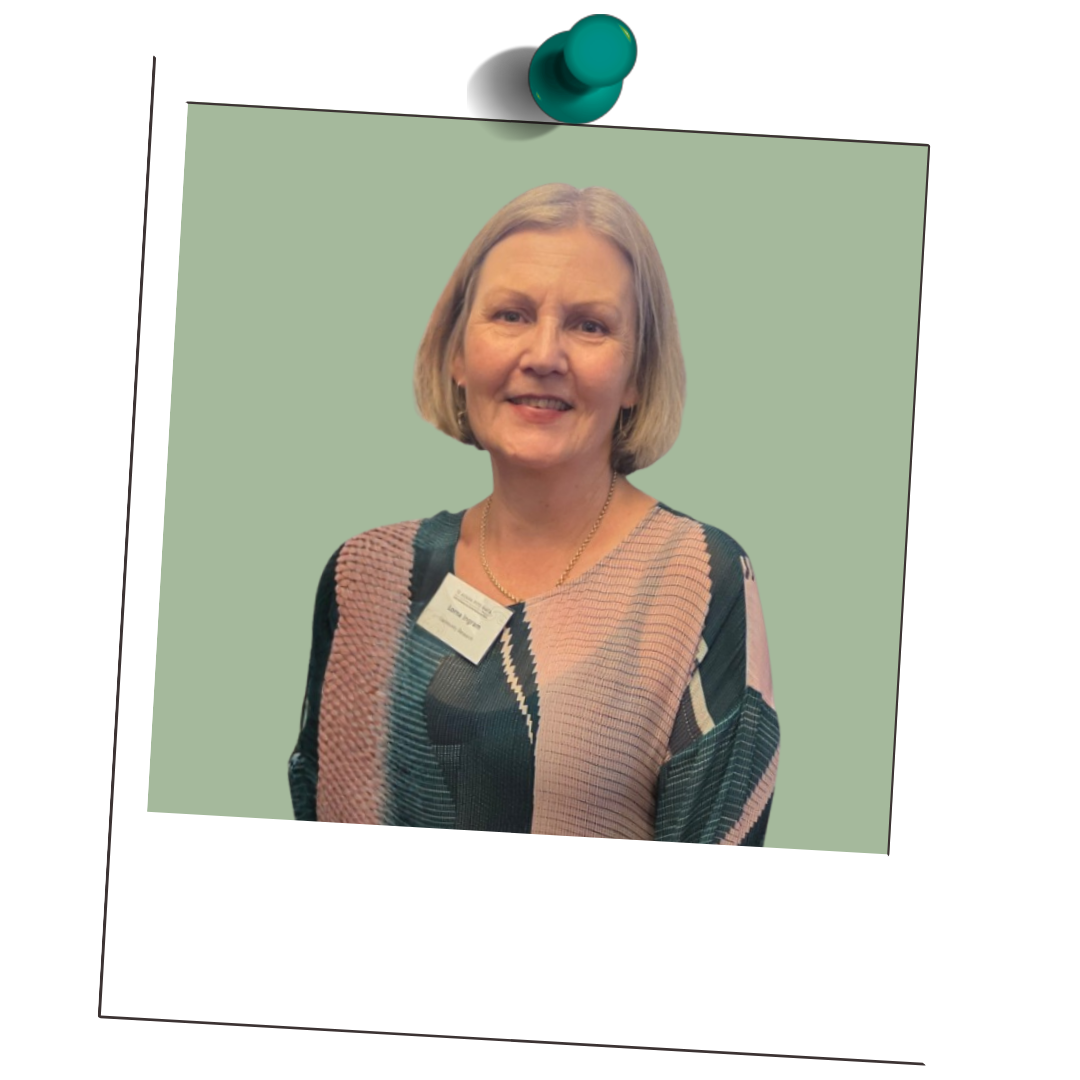
Lorna Ingram, Kaiwhakahaere Matua
Each year when I sit down to write this annual report, I look back to the previous year’s report and to all that has happened over the last 12 months. There is an uncomfortable consistency to the messages of recent years: uncertainty and challenges from war, disaster, displacement, environmental crises and emerging health threats continue to create a backdrop of instability.
In Aotearoa, the cost-of-living and housing crises continue to affect whānau and communities, particularly those already carrying the greatest burden. Most concerning are actions that undermine commitments to Te Tiriti, threatening the rights of tangata whenua and risking further entrenchment of inequity in our systems.
Despite, or perhaps because of, these challenges, there is a strong sense of hope that together we can shape a better future where all people in Aotearoa can thrive. For Community Research, this has reinforced the importance of being a Te Tiriti-led organisation and of investing in the relationships, knowledge and infrastructure that help communities understand their realities and create change.
We strengthened the systems and relationships that sustain our mahi. Kaitiaki began receiving more structured reporting on progress against our strategy, and a Finance and Fundraising Committee was established to support sound governance and longer-term sustainability.
Our co-location with Hui E! Community Aotearoa and Tūao Aotearoa Volunteering New Zealand continued to support closer day-to-day relationships, shared learning and lower operating costs.
For community organisations, being able to understand and communicate the difference their mahi is making is especially important in a difficult funding environment. Through What Works, we continued to make practical evaluation tools and frameworks freely available, including kaupapa Māori and other Indigenous approaches to evaluation.
We continued to participate in the Te Herenga Waka | Victoria University internship programme. Henry Growcott joined us during semester three and helped progress mahi in equity and participatory democracy.
A major highlight was the Te Auaha Pito Mata Awards, celebrating emerging researchers. The awards ceremony was held at Government House in Wellington and presented by Her Excellency The Right Honourable Dame Cindy Kiro GNZM, QSO, Governor-General of New Zealand. Her Excellency’s speech resonated deeply with those present, and I found it heartening to hear the importance of community research recognised and affirmed so clearly:
“The saying ‘knowledge is power’ aptly describes community research, where communities are empowered to be co-leaders in decisions about how that research is undertaken, what information is collected, how it is collected, and what is released. That knowledge informs and strengthens the community’s response to the issues at hand.
In these uncertain times, when we are facing so many stresses and challenges, there is even greater need to understand the lived experiences of New Zealanders, and the pressures on the natural world that sustains us.”
Across the year we launched the Good With/in Games and Queerness in Aotearoa Special Collections, expanded What Works, supported the Ethnic, Former Refugee and Migrant Researchers Network, and created a useful new Matike Mai resource. While these initiatives were diverse in focus, each contributed to a common goal: strengthening access to community knowledge and creating opportunities for researchers and communities to learn from and with one another.
I am grateful to our kaimahi team - Bev, Eve, Moana and Madi - and to all our Kaitiaki for their wisdom and guidance. Much of the work that sustains Community Research happens behind the scenes, and this report reflects that collective contribution as well as the knowledge and generosity shared by our communities and partners.
Our impact
Building a more equitable Aotearoa through community knowledge
Our long-term contribution cannot be captured through activity counts alone. Our Theory of Change shows how our activities contribute to the outcomes we seek and, ultimately, to a more equitable, engaged and inclusive Aotearoa informed by the knowledge, experiences and aspirations of communities.
What we doShare knowledge, support researchers and build relationships
→
What this enablesKnowledge that is accessible, valued, connected and used
→
Our visionA more equitable, engaged and inclusive Aotearoa
89,210* See website data note belowWebsite sessionsactivity total; not a measure of people reached103,289* See website data note belowWebsite page viewsactivity total; not a measure of audience growth27,164What Works usersactivity approximately 32% lower year on year30,629What Works page viewsviews per session remained stable100,100YouTube viewsup 4%, with 947 subscribers4,983Podcast downloadsup 23%5,999Ngā Kete email subscribersat year end230Researcher profileslive in the Community Researcher Directory2New Special Collectionsof community research
What our community told us
Recognition as an authority that is useful and has impact
Our Annual Survey (N=58) provides valuable insights into how Community Research’s core activities are understood, engaged with and valued by our audiences. Community Research is mostly recognised and perceived to be achieving its different strategic goals.
A credible authority for community research and knowledge-making80%
Successfully promotes and upholds the value of community research and knowledge75%
Fosters validation for community researchers and knowledge-makers79%
Audience-friendly content79%
Fostering a sense of connection78%
Being inclusive74%
Supporting good research practice72%
Increasing awareness of Community Research70%
Respondents who engaged with Ngā Kete, webinars or podcasts found them to be worthwhile, and those who used the Collections library and WhatWorks evaluation website all agreed they were useful for their work.
The survey also identified opportunities to strengthen engagement with younger audiences and continue improving the accessibility of our communications.
Our strategy 2024-27
Our pou
Ngā Kitenga me Ngā Putanga
Increased visibility and equitable access to community research in Aotearoa.
Ngā Hononga
Promoting and strengthening connections and good practice between researchers and the sector, nationally and internationally.
Ngā Mahi Rangahau Rautaki
Advocating for the voices of our community - meaningful research which promotes positive change.
Kia Tū Tonu te Whare
The ongoing sustainable operation of our Te Tiriti-led organisation.
Our pou are the foundational pillars that translate our kaupapa, values and aspirations into action.
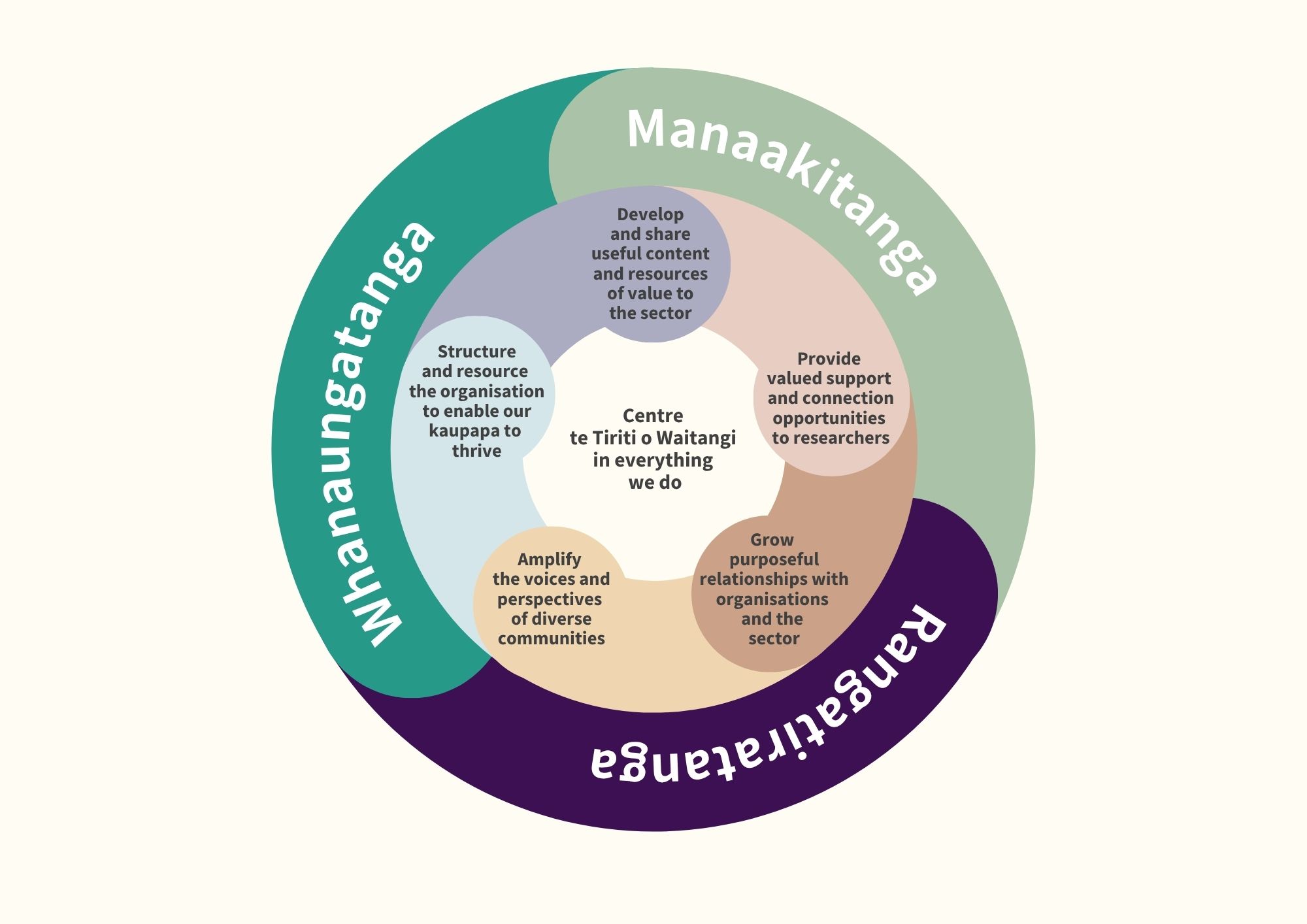
Six goals, one connected kaupapa
Our six goals operate as one connected system, with Te Tiriti o Waitangi at the centre of everything we do. Scroll on to explore each goal.
Our interconnected goals and the values that hold our strategy together.
Goal 01Access and usefulness
Develop and share useful content and resources of value to the sector
We expanded the ways people could find, understand and use community-led knowledge - from using Instagram to reach new audiences, to launching two new Special Collections, and recording conference presentations so those insights could be shared more widely. This happened alongside our well-established evaluation resources and regular Ngā Kete newsletters.
How this contributesA more equitable, engaged and inclusive Aotearoa depends on community knowledge being visible, accessible and valued. By sharing relevant research in ways that people could readily find, access and use, we contributed to greater awareness, understanding and use of community knowledge across the sector, laying the foundations for stronger practice and positive social change.
At a glance
Reaching new and more diverse audiences
Through Instagram, recorded conference presentations, webinars and newsletters, we expanded the ways people could discover and engage with community knowledge. Early growth on new platforms suggests we are beginning to connect with audiences who may not previously have accessed community research.
Content that was relevant
From Te Tiriti and Matike Mai to ethnic and migrant experiences, systems change and community-sector insights, people engaged strongly with content that reflected the issues communities are navigating. This reinforces the importance of sharing knowledge that responds to current realities and supports informed action.
Community knowledge is easier to understand
Special Collections, explainer resources, recorded presentations and curated content helped make research more accessible and easier to navigate. By presenting knowledge in a range of formats, we supported people to engage with complex topics and connect ideas to their own contexts.
Supporting capability building
Through webinars, practical evaluation resources and shared learning opportunities, we supported people to deepen their understanding, reflect on their practice and build confidence in applying community knowledge in their organisations and communities.
Explore the detail +
30,629What Works page views
2New Special Collections of research: Good With/in Games and Queerness in Aotearoa
5,999Ngā Kete email subscribers
5,916Facebook followers · 174 new
1,510LinkedIn followers · 250 new
158New Instagram followers
2Informative social media explainer slide packs; the Matike Mai resource was shared 104 times
9Webinars, including two focused on capability building: Code of Practice and In Between the Boxes. “My mind has been blown and I can see my own journey - where I have been in my learning and now also how much more there is to ponder and learn.”
Goal 02Support and connection
Provide valued support and connection opportunities to researchers
We created more frequent, focused opportunities for community researchers and knowledge holders to connect, learn and share their mahi - from regular Tautoko sessions to hosting the Te Auaha Pito Mata Awards.
How this contributesBy creating spaces where researchers could build relationships, share experiences and increase the visibility of their work, we contributed to a more connected and resilient community research ecosystem, strengthening the foundations for collaboration and collective impact.
At a glance
Creating opportunities for connection
Through Tautoko sessions, workshops, webinars and the Te Auaha Pito Mata Awards, we created spaces where researchers could meet peers, share experiences and develop relationships beyond their immediate networks.
Increasing researcher visibility
The Community Researcher Directory, Researcher Network and Te Auaha Pito Mata Awards helped raise the profile of researchers and their work, creating new opportunities for recognition, connection and future collaboration.
Supporting peer learning
Researchers came together to discuss research practice, data sovereignty and issues affecting their communities. These exchanges created opportunities to learn from one another and share knowledge grounded in lived experience and community practice.
Building enduring networks
The Ethnic, Former Refugee and Migrant Researchers Network and our ongoing researcher engagement created pathways for connection that extend beyond individual events, helping strengthen relationships across the community research sector.
Explore the detail +
230Researcher profiles in the Community Researcher Directory
1Researcher Network providing a pathway for connection beyond public researcher profiles
6Emerging researchers recognised through the Te Auaha Pito Mata Awards
4Tautoko sessions for ethnic researchers. “I like that most sessions there’s a chance for someone to share something about what they’re working on. This fosters connection, knowledge sharing and also awareness of who is in the community and what people are up to.”
3Tautoko sessions for LGBTTQIA+ researchers
1In-person Code of Practice workshop with NZ Stats CDEI
3Awheawhe workshops exploring topics including ethnic data sovereignty
1Ethnic, Former Refugee and Migrant Researchers Network supporting ongoing connection and relationship-building
Goal 03Relationships and collaboration
Grow purposeful relationships with organisations and the sector
We strengthened reciprocal relationships with organisations that share our commitment to community-led knowledge, equity and collective learning.
How this contributesComplex social challenges cannot be addressed by organisations working in isolation. By building reciprocal relationships with values-aligned organisations, networks and institutions, we strengthened opportunities for shared learning, collaboration and collective action, helping community knowledge reach further and have greater influence.
At a glance
Strengthening sector relationships
We invested in relationships with researchers, community leaders and organisations that share our commitment to community knowledge, equity and participation. Through conferences, sector events and strategic partnerships, we strengthened connections, shared expertise and identified opportunities for collaboration, creating a stronger foundation for collective action across the sector.
Learning through collaboration
Participation in conferences, sector forums and collaborative initiatives enabled us to exchange ideas, learn from emerging research and strengthen our own practice. Working alongside organisations such as Tāhono Trust, the Aotearoa Migration Research Network, Hui E! Community Aotearoa, Tūao Aotearoa | Volunteering New Zealand, Environment Hubs Aotearoa and Te Herenga Waka | Victoria University also provided opportunities to share expertise, build relationships and amplify collective impact.
Extending the reach of community knowledge
Working alongside sector partners enabled valuable knowledge to be captured, preserved and shared with wider audiences. Through these collaborations, insights reached people who may not otherwise have been able to access them.
Contributing to collective infrastructure
Through the Community Constellation, Purpose Collective Trust and collaborative projects, we contributed to shared approaches to common challenges and strengthened the networks that support the wider community and voluntary sector.
Explore the detail +
5New webinars hosted with sector partners, including Environment Hubs Aotearoa and the Aotearoa Migration Research Network
312Webinar registrations across jointly delivered learning opportunities
4Conference presentations and keynote recordings shared through sector partnerships
1Internship hosted through Te Herenga Waka | Victoria University
1Collaborative workshop with NZ Stats CDEI
1Tautoko series discussing ethnic data sovereignty with Rachel Simon-Kumar, University of Auckland
1Tangata Tiriti ethnic-focused Special Interest Group forum facilitated at the ANZEA conference
Community ConstellationContributing to coordinated responses to common sector challenges
Goal 04Visibility on communities’ terms
Amplify the voices and perspectives of diverse communities
New Special Collections, resource pages, webinars and researcher networks made space for knowledge and perspectives that are often not readily available or overlooked.
How this contributesA more equitable Aotearoa requires diverse communities to be able to share their knowledge, experiences and aspirations on their own terms. By creating pathways for communities to contribute, connect and be visible, we helped strengthen understanding of diverse perspectives and support more inclusive community knowledge.
At a glance
Making knowledge more visible
Special Collections, resource pages and curated research brought together knowledge that is often difficult to find, helping make diverse community perspectives more visible and accessible.
Creating pathways to understanding
Resource pages, webinars and shared learning opportunities helped people engage with topics, perspectives and experiences they may not otherwise encounter, supporting deeper understanding across communities.
Supporting communities to share their own stories
Researcher networks, Tautoko sessions and community-focused initiatives created opportunities for communities to share knowledge, experiences and priorities in ways that reflected their own realities and aspirations.
Elevating voices that are often overlooked
Through our collections, events and knowledge-sharing activities, we helped amplify community perspectives that are frequently underrepresented in public conversations, research and decision-making.
Explore the detail +
2New Special Collections: Good With/in Games and Queerness in Aotearoa
53New community research items added
2New resource pages bringing together community knowledge and practical resources
1Online workshop exploring Modernising the Census and the needs of ethnically diverse communities
5Webinars sharing diverse community perspectives and knowledge
312Webinar registrations
4Conference presentations and keynote recordings shared more widely
1Internship supporting research focused on equity and participatory democracy
1Series of Tautoko sessions focusing on ethnic data sovereignty
Goal 05Te Tiriti in practice
Centre Te Tiriti o Waitangi in everything we do
Our commitment to becoming genuinely Te Tiriti-led shaped both public-facing resources and internal organisational development.
How this contributesTe Tiriti o Waitangi provides a foundation for equitable relationships, shared responsibility and meaningful participation. By centring Te Tiriti in our organisational practice, resources, relationships and decision-making, we continued to strengthen our capability to give effect to our commitments and contribute to more equitable outcomes for communities.
At a glance
Deepening understanding of Te Tiriti
The Matike Mai resource page, explainer resources and co-governance content supported people to engage with Te Tiriti, constitutional transformation and Māori aspirations in ways that were accessible, practical and relevant.
Embedding Te Tiriti in our practice
The development of our Living Te Tiriti Action Plan created a practical pathway for strengthening kāwanatanga, whakawhanaungatanga and accountability. Alongside this, Kaitiaki and kaimahi worked to identify how Te Tiriti commitments can be reflected more consistently across governance, organisational practice, policies, relationships and decision-making.
Strengthening Te Tiriti-informed decision-making
Critical Tiriti Analysis informed policy review processes and supported deeper reflection on how decisions, systems and practices align with Te Tiriti obligations. This work is helping build stronger organisational capability to assess policies and practices through a Te Tiriti lens.
Creating space for shared kōrero
Conversations, presentations and partnerships created opportunities to explore Te Tiriti, constitutional transformation, co-governance and ethnic community perspectives, supporting learning and dialogue across diverse communities.
Explore the detail +
Matike MaiResource page and explainer slide pack launched to support understanding of constitutional transformation
Living Te TiritiAction Plan developed by Kaitiaki and kaimahi
Co-governanceAccessible social media series and presentations supporting understanding of shared authority and governance practice
Critical Tiriti AnalysisApplied to policy review processes with Purpose Collective partners
Goal 06Foundations for sustainability
Structure and resource the organisation to enable our kaupapa to thrive
We continued to strengthen the structures, information and resourcing that support informed governance, a capable kaimahi team, sustainable funding and strategic use of our limited resources. We also worked to make our contribution to global and environmental sustainability objectives clearer.
How this contributesThis work helps keep Community Research strong, sustainable and focused on our kaupapa. It enables our Kaitiaki to make informed decisions, supports our kaimahi to do their best work, and helps us use our funding, time and resources wisely. By strengthening our foundations, we are better able to deliver on our mission and contribute to more equitable and sustainable futures.
At a glance
Strengthening governance and accountability
More structured reporting against our six strategic goals gave Kaitiaki a clearer view of organisational performance, strategic priorities and areas requiring attention, supporting more informed governance and decision-making.
Investing in organisational capability
A stable and experienced kaimahi team, supported by clear systems and shared ways of working, helped maintain continuity, strong relationships and the effective delivery of our kaupapa.
Supporting long-term sustainability
High-trust funding partnerships, alongside the establishment of a Finance and Fundraising Committee, strengthened our ability to plan for the future and support the long-term sustainability of our mahi.
Making the most of shared resources
Co-location with Hui E! Community Aotearoa and Tūao Aotearoa | Volunteering New Zealand enabled us to share resources, reduce costs and strengthen day-to-day collaboration, making better use of limited sector resources.
Understanding our wider contribution
Mapping our work against the United Nations Sustainable Development Goals helped us better understand and communicate how community knowledge contributes to social, environmental and economic wellbeing.
Explore the detail +
GovernanceClearer reporting against our six strategic goals, providing Kaitiaki with greater visibility of progress, priorities and areas requiring attention
PeopleA stable and experienced kaimahi team supporting continuity, strong relationships and effective delivery of our kaupapa
FundingFinance and Fundraising Committee established to strengthen oversight and support long-term financial sustainability
Shared resourcesCo-location with Hui E! Community Aotearoa and Tūao Aotearoa | Volunteering New Zealand enabled shared space, systems and operational costs
Wider contributionOur activities were mapped against the United Nations Sustainable Development Goals to better understand and communicate our contribution to wider social, environmental and economic wellbeing
Global connections
Our mahi and the Sustainable Development Goals
Our broad range of activities aligns with aspects of nine United Nations Sustainable Development Goals.
Icons reproduced for informational use under the UN SDG guidelines. Learn about the Sustainable Development Goals. The content of this publication has not been approved by the United Nations and does not reflect the views of the United Nations or its officials or Member States.
Whakaritenga pūtea
Financial summary
Our financial performance underpins the sustainability of our Te Tiriti-led organisation and enables us to continue advancing our kaupapa. Careful stewardship of our resources, alongside a modest level of reserves, helped us navigate a challenging funding environment while maintaining our programmes and services.
We continue to review how we structure and resource our mahi to ensure Community Research remains resilient, responsive and well positioned for the future. Our fundraising approach prioritises flexible funding that supports the organisation as a whole, allowing us to develop and deliver resources and initiatives that respond to emerging community needs.
Through collaboration and partnerships, particularly in relation to the Te Auaha Pito Mata Awards, we were able to extend our reach and impact while managing costs effectively.
Community Research is supported by philanthropic funding partners, community trusts and grant makers across the motu who share our vision for a more equitable, engaged and inclusive Aotearoa. Their support enables us to make community knowledge visible, accessible and useful for community organisations, iwi, whānau and volunteer groups throughout the country.
Grants$152,267
Donations$139,022
Other$16,490
Programme delivery
Operating costs and programme delivery
Community Research achieves significant impact with a small team of 2.43 FTE while maintaining low organisational overheads and directing the majority of expenditure towards people, programmes and community outcomes.
Employee related costs$225,265
Operating & service delivery costs$70,397
Other expenses$2,582
Investment in people remains our largest area of expenditure, reflecting the importance of relationships, knowledge sharing, research support and community engagement in delivering our kaupapa.
Ngā mihi nui
Knowledge grows through relationship
Community Research exists because of the relationships we hold and the collective commitment of people who believe that knowledge can contribute to a more equitable, engaged and inclusive Aotearoa. We are deeply appreciative of everyone who has contributed to our work during the past year and look forward to continuing this journey together.Thank you for walking alongside us.
Ko te hōkai nuku Ko te hōkai rangi Ko te hōkai a tō tupuna a Tānenuiarangi